
This guide takes you from idea to up and running, with practical steps tailored to horseback archery’s particular safety, facilities and training needs.
- 1Purpose and structure
- 2Draft a constitution
- 3Inaugural meeting
- 4Affiliate with the BHAA
- 5Bank account and insurance
- 6Facilities and equipment
- 7Website and communication
- 8Recruit members
- 9Training and competitions
- 10Compliance, risk and welfare
- 11Finance and funding
- 12Launch checklist
1Define the club’s purpose and structure
Be clear about what your club is and who it serves.
- A beginner-friendly grassroots club, a competitive team pathway, or a mixed-ability community group.
- Focus areas: traditional horseback archery styles, track types (for example Raid, Tower and Hunt), and a safety-first culture.
- Unincorporated association / not for profit: best for small, local clubs starting out.
- Business: run as a business, with all the HMRC rules that apply to businesses.
- Safeguarding and youth protection, if juniors are involved: British Equestrian safeguarding policy
- Rider and horse welfare standards: British Equestrian ethics and welfare policy
- Health and safety, and incident reporting: Safe to Play: how to report a concern
- Equality, diversity and inclusion: British Equestrian equity, diversity and inclusion
- A club management app or platform can handle memberships, payments, messaging and scheduling, so you can focus on training and events.
2Draft a constitution
Create a clear governing document that explains how the club operates.
- Club name, purpose and objectives (for example: promote safe horseback archery, develop local talent, host events).
- Membership rules: eligibility, how to apply, fees and code of conduct.
- Committee roles and duties: chair, secretary, treasurer, safety officer, training lead, welfare/safeguarding officer.
- How decisions are made: meetings, voting and quorum.
- Finance and assets: accounts, signatories and audits.
- Disciplinary and grievance procedures.
- Dissolution: how assets are passed to similar not-for-profit causes.
3Hold an inaugural meeting
Formally bring the club to life.
- Invite interested riders, archers, coaches, landowners and volunteers.
- Present and approve the constitution.
- Elect the committee and appoint key officers, including a safety/welfare lead. A club needs at least 3 people to start: a chair, a secretary and a treasurer.
- Agree initial membership fees and training session prices.
- Record all decisions in signed minutes.
4Affiliate with the BHAA
Gain official status, for credibility and benefits.
Apply online using the Club Affiliation form. You’ll need to be signed in as a BHAA member, and to have your constitution and club policies ready to upload. Once approved, your club is listed in the BHAA directory as a BHAA Affiliated Club for one year.
5Open a bank account and arrange insurance
Keep finances transparent and operations safe.
- Open a dedicated club bank account with two signatories.
- Put basic financial controls in place: a budget, an expenses policy and receipts.
- Public liability for events and training.
- Member-to-member liability, where applicable.
- Professional indemnity for coaches.
- Personal accident cover for riders.
- Property and equipment cover for targets, bows and track materials.
For details of BHAA insurance, and the coaches currently covered, see the BHAA insurance page.
6Secure facilities and equipment
Set up a safe range and a horse-friendly environment.
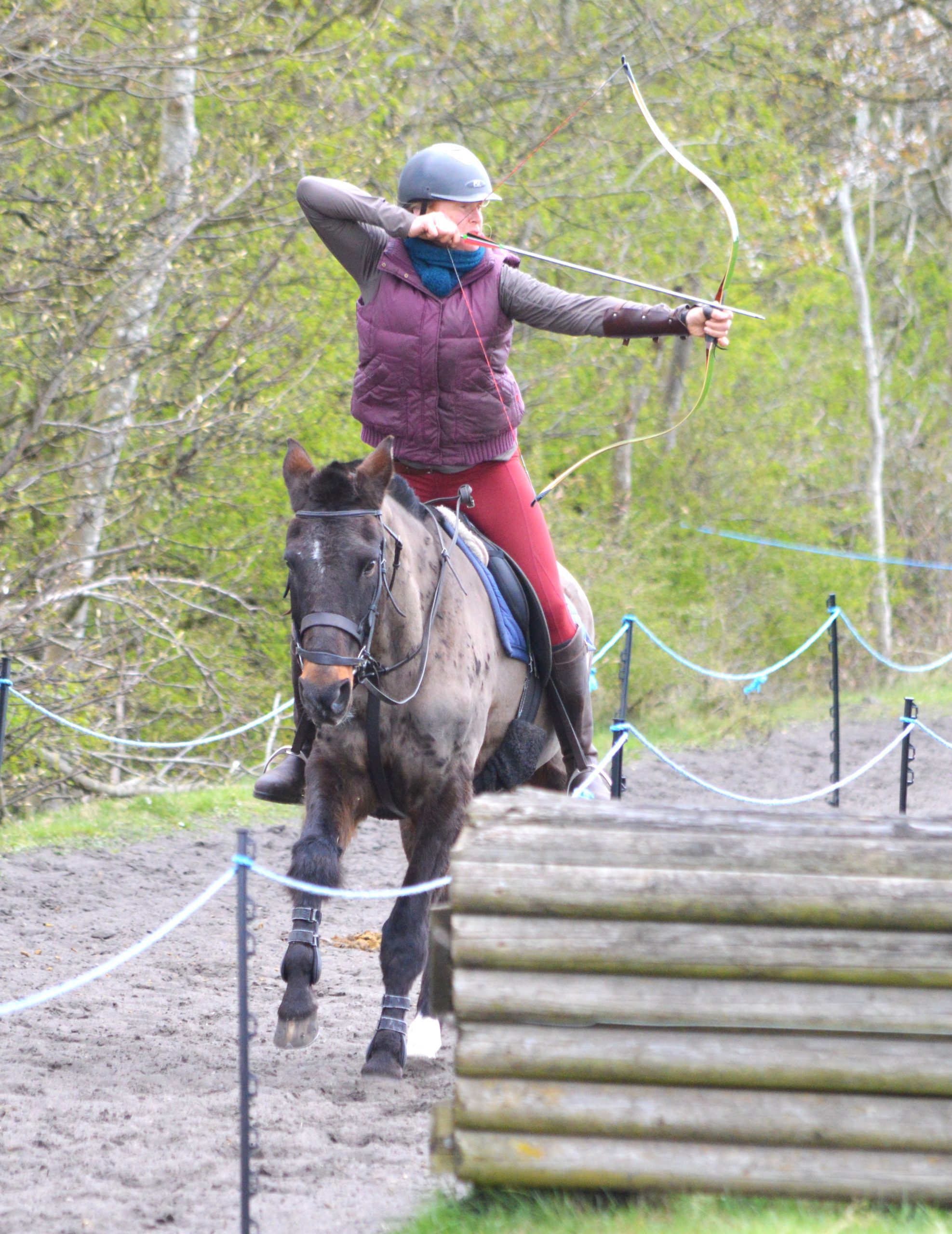
Venue
- Level, well-drained footing suitable for canter.
- A fenced or clearly marked track (commonly 90–160 m, depending on the track type).
- Safe spectator areas and mounting zones.
- Trailer parking and horse tie-up areas with water access are desirable.
Safety layout
- Backstops and safe overshoot zones for arrows.
- A clear shooting line, return path and emergency access.
- A first aid kit, equine first aid kit, fire extinguisher and incident log.
- A BHAA range safety sign (PDF) for your gate or arena entrance.
Equipment
- Horsebows with draw weights appropriate to each archer (no over-bowing).
- Arrows with suitable fletching for mounted shooting, and durable targets (foam blocks, layered mats).
- Target stands, track posts, timing and scoring kit, cones and flags.
- Protective gear as desired (gloves, armguards, helmets in line with local rules).
7Set up a website and communication channels
Be easy to find and join. A website isn’t essential, but it helps.
- About, how to join, fees, calendar, venue and location, safety standards, FAQs and contact details.
- Photo and video highlights, and a clear path for new members.
- Central messaging through your club platform.
- Social media for outreach: short clips of safe training and member stories.
- Email newsletters for schedules, results and policy updates.
8Recruit members
Build your community with targeted outreach.
- Local networks: riding schools, pony clubs, archery clubs, colleges and universities.
- Demonstrations: safe public demos with walk and trot showcases, and Q&A.
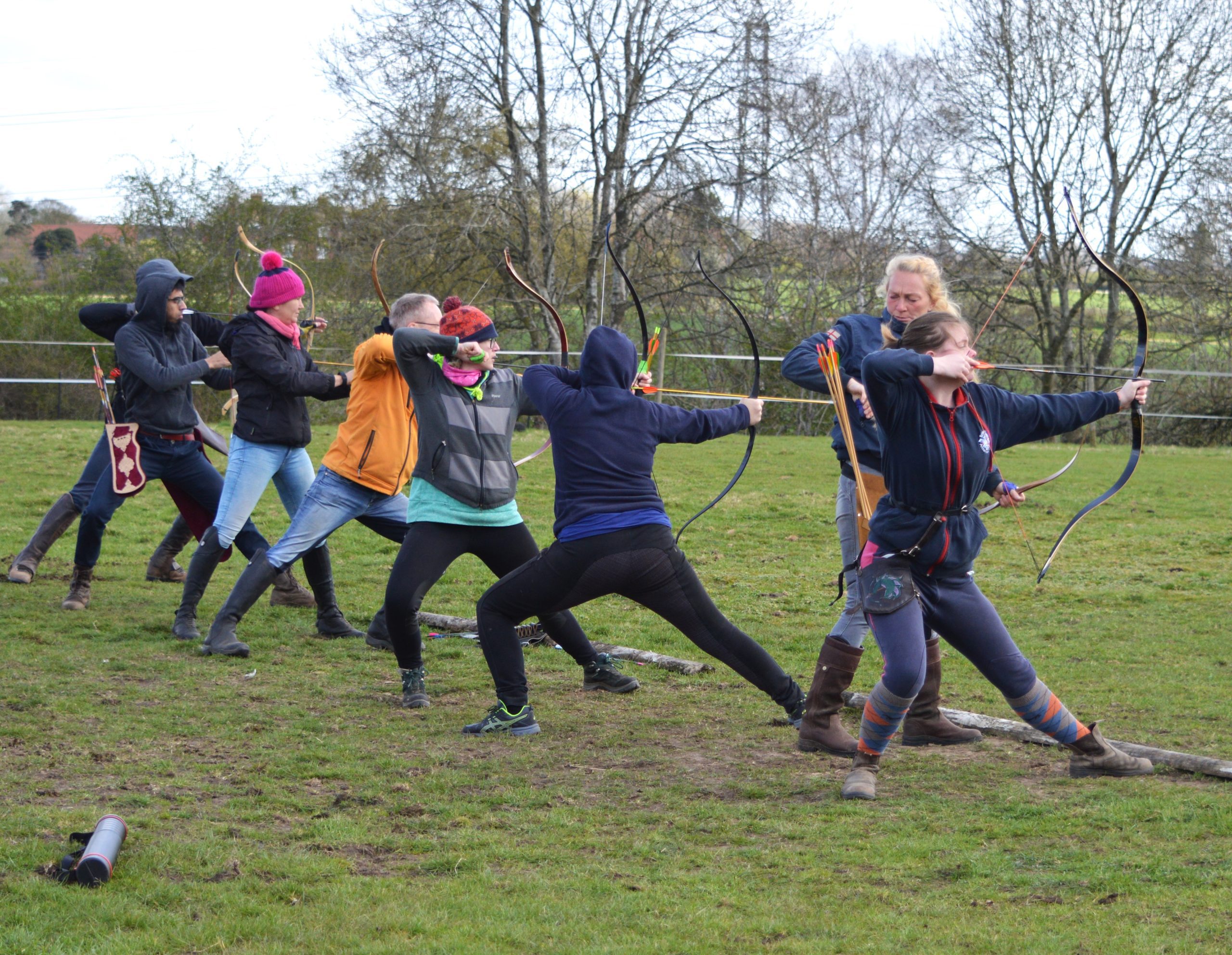
- Taster sessions: limited numbers, a high coach-to-rider ratio, and ground archery first.
- Partnerships: landowners, tack shops, equestrian events, and cultural organisations with mounted archery traditions.
- Keep engagement high with announcements, groups and event invites on your club platform.
9Plan training and competitions
Create a progressive, safe pathway.
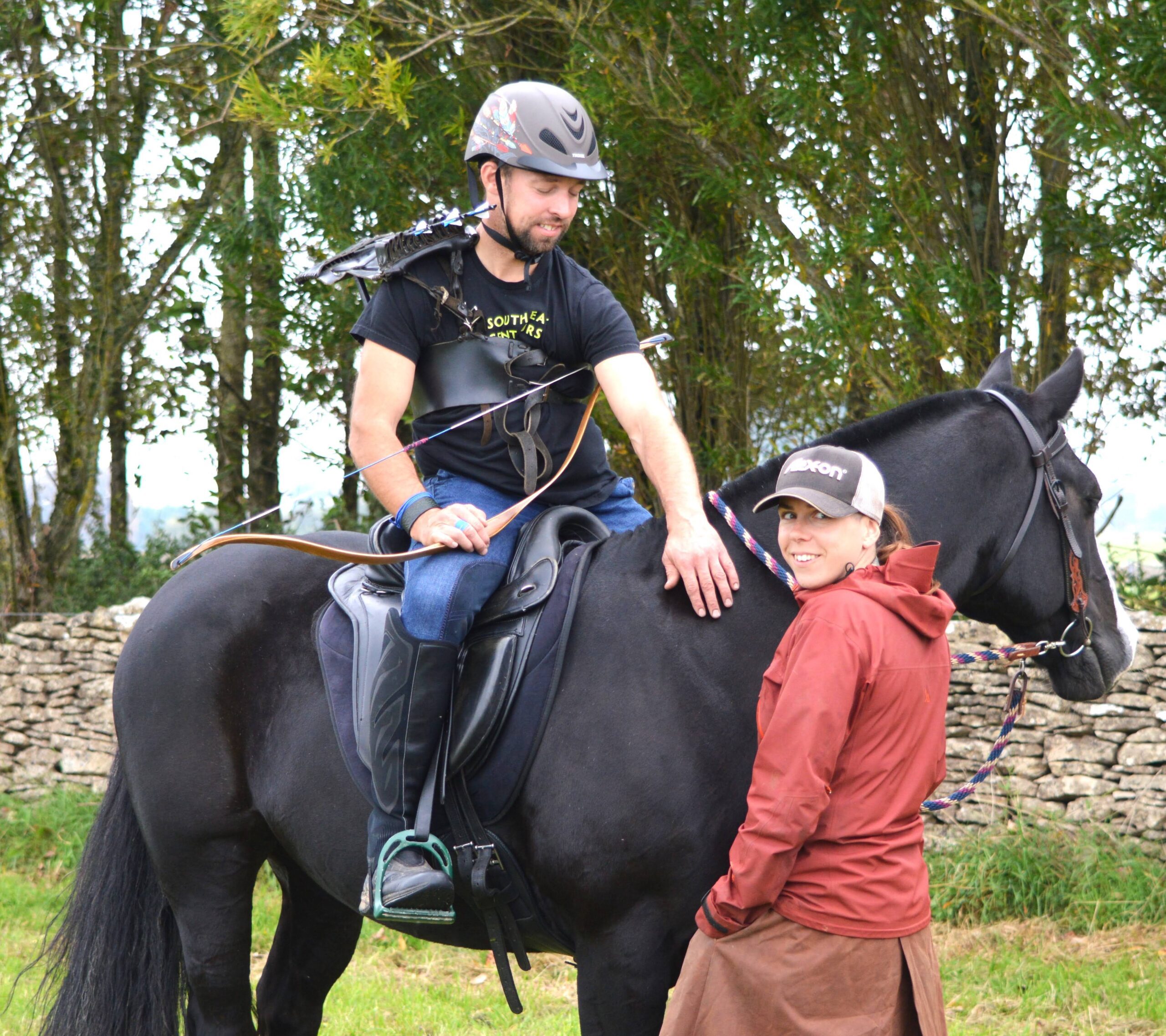
Coaching ratios and standards
- Set maximum group sizes, and require spotters and a line marshal.
- Check horses and riders before each session, and carry out a dynamic risk assessment every time. Use the horse assessment form.
Events
- Run internal fun shoots and skills leagues before formal competitions.
- Use recognised rulesets for standardised scoring and safety.
- Publish start lists, safety briefing notes and emergency plans in advance.
Scheduling
- Use your calendar and notifications for sign-ups, waivers and payments.
- Build in weather contingencies and footing inspections.
10Compliance, risk management and welfare
Embed safety and good governance.
- Risk assessments for venues, sessions and events, updated after incidents or changes. Start with our sample risk assessment (PDF).
- Report and review incidents and near misses using the BHAA incident report form.
- A safeguarding policy (this can be the BHAA policy), ideally with a named welfare officer.
- Equipment checks and maintenance logs for targets, bows and track markers.
- An annual policy review, and a committee refresh where appropriate.
11Finance and funding
Keep the club sustainable.
- Budget for venue hire, insurance, equipment, coaching, first aid and contingencies.
- Income: memberships, training fees, merchandise, grants, sponsorship and demonstrations.
- Consider tiered memberships, for example riding members, ground archery members and supporters.
- Keep transparent accounts and share a summary at each AGM.
12Launch checklist
- Constitution approved and committee elected.
- Bank account, insurance and core policies in place.
- Venue secured, track marked and safety equipment ready.
- Membership process open (and website live, if you have one).
- Risk assessments completed; incident and welfare procedures ready.
When you’re ready, apply to affiliate with the BHAA.
Sample documents
Ready to affiliate?
- You need just 3 people (a chair, a secretary and a treasurer) to start a club.
- Once your club is running with at least 8 members, you can apply for the BHAA club start-up grant: £450 towards equipment. For details and how to apply, email Claire at claire.hall@bhaa.org.uk.
- Questions about setting up a club? Claire is happy to help.
Run a riding school? You can offer horseback archery lessons and BHAA qualifications as a BHAA Affiliated School.